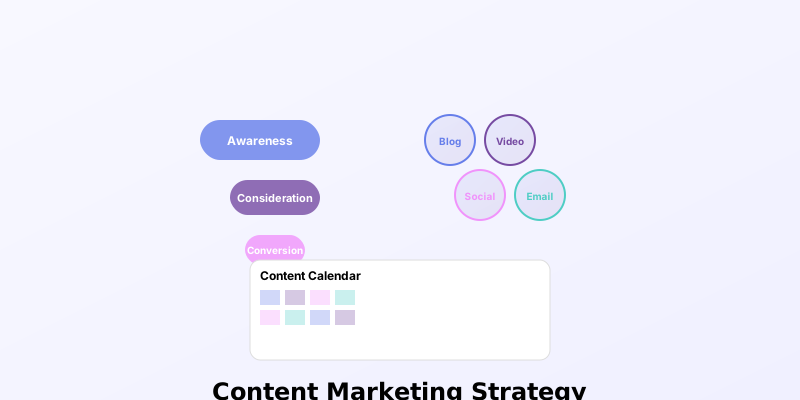
Content marketing has evolved from a buzzword to the cornerstone of successful digital marketing strategies. In an era where consumers are bombarded with advertisements, authentic, valuable content is the key to building trust, authority, and lasting customer relationships.
This comprehensive guide will walk you through everything you need to know about content marketing strategy, from understanding your audience to measuring ROI and everything in between.
What is Content Marketing?
Content marketing is a strategic marketing approach focused on creating and distributing valuable, relevant, and consistent content to attract and retain a clearly defined audience—and ultimately, to drive profitable customer action.
📝 Blog Posts
Educational articles that establish thought leadership
🎥 Videos
Engaging visual content for different audience segments
🎙️ Podcasts
Audio content for commutes and multitasking
📊 Infographics
Visual representations of complex data
📧 Newsletters
Regular communication to nurture relationships
📱 Social Media
Short-form content for community engagement
Building Your Content Strategy
A successful content strategy requires careful planning, audience understanding, and clear objectives. Start by defining your goals and understanding your target audience.
The Content Strategy Framework:
- Define Your Goals: What do you want to achieve? Brand awareness, lead generation, customer retention?
- Know Your Audience: Create detailed buyer personas and understand their pain points
- Audit Your Content: Analyze what content you already have and identify gaps
- Competitive Analysis: Research what your competitors are doing successfully
- Content Calendar: Plan your content creation and distribution schedule
- Resource Planning: Determine your budget, team, and tools needed
Understanding Your Audience
The foundation of effective content marketing is deep audience understanding. Create detailed buyer personas to guide your content creation process.
Demographics
Age, gender, location, income, education, job title
Psychographics
Values, interests, lifestyle, motivations, pain points
Behavior
Online habits, preferred channels, buying patterns
Goals & Challenges
What they want to achieve and obstacles they face
Content Creation Best Practices
Creating high-quality content requires a systematic approach. Focus on value creation, storytelling, and audience engagement.
Content Creation Principles:
- Value First: Solve problems and provide genuine value to your audience
- Storytelling: Use narratives to make your content more engaging and memorable
- Data-Driven: Support your claims with research and statistics
- SEO Optimized: Incorporate relevant keywords naturally
- Visually Appealing: Use images, graphics, and formatting to enhance readability
- Actionable: Include clear calls-to-action and next steps
The Content Marketing Funnel
Effective content marketing addresses customers at every stage of their journey, from awareness to conversion and beyond.
🎯 Top of Funnel (Awareness)
Educational content that attracts potential customers
- Blog posts and articles
- Social media content
- Infographics and guides
🤔 Middle of Funnel (Consideration)
Content that helps prospects evaluate solutions
- Case studies and testimonials
- Webinars and whitepapers
- Product comparisons
💰 Bottom of Funnel (Decision)
Content that facilitates purchase decisions
- Product demos and trials
- ROI calculators
- Free consultations
Content Distribution Strategy
Creating great content is only half the battle. You need a comprehensive distribution strategy to ensure your content reaches the right audience.
Distribution Channels:
- Owned Channels: Your website, blog, email list, social media profiles
- Earned Channels: Organic search, social media shares, word-of-mouth
- Paid Channels: Social media advertising, content syndication, sponsored posts
- Partnerships: Guest blogging, influencer collaborations, cross-promotions
SEO and Content Marketing
SEO and content marketing are natural partners. Well-optimized content drives organic traffic and builds long-term authority.
SEO Best Practices for Content:
- Keyword Research: Identify search terms your audience uses
- On-Page Optimization: Optimize titles, headings, and meta descriptions
- Internal Linking: Connect related content within your site
- Mobile Optimization: Ensure content works perfectly on mobile devices
- Page Speed: Optimize loading times for better user experience
Measuring Content Marketing Success
What gets measured gets improved. Track the right metrics to understand your content marketing performance and ROI.
Traffic Metrics
- Website visitors
- Page views
- Unique visitors
- Traffic sources
Engagement Metrics
- Time on page
- Bounce rate
- Social shares
- Comments
Conversion Metrics
- Lead generation
- Email subscribers
- Sales conversions
- Customer acquisition cost
Content Marketing Tools
The right tools can streamline your content marketing efforts and improve efficiency. Choose tools that align with your strategy and budget.
Content Creation
- Grammarly (writing assistance)
- Canva (visual design)
- Adobe Creative Suite
SEO & Analytics
- Google Analytics
- SEMrush or Ahrefs
- Google Search Console
Distribution & Management
- Buffer or Hootsuite
- Mailchimp
- HubSpot
Building a Sustainable Content Marketing Strategy
Content marketing success requires patience, consistency, and continuous optimization. Focus on quality over quantity and always prioritize your audience's needs.
Consistency
Regular publishing schedule builds audience loyalty
Quality
Value-driven content that solves real problems
Adaptability
Flexibility to adjust based on performance data
Patience
Understanding that results take time to materialize
Ready to Transform Your Content Marketing?
Let our content marketing experts create a strategy that attracts, engages, and converts your target audience.