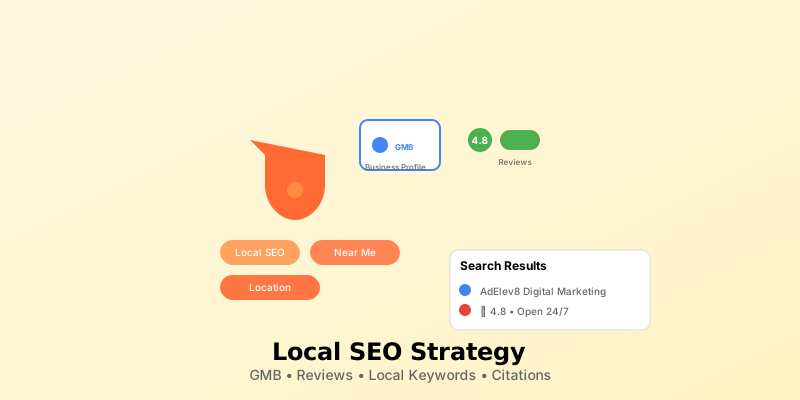
In today's hyper-local world, appearing in local search results can make or break your business. With 78% of local searches resulting in offline purchases, local SEO has become essential for any business with a physical location. This comprehensive guide will show you how to dominate your local market and turn online searches into real customers walking through your door.
From Google My Business optimization to review management and local content strategies, we'll cover everything you need to know to improve your local search visibility and drive more foot traffic to your business.
Understanding Local SEO
Local SEO is the practice of optimizing your online presence to attract more business from relevant local search results. Unlike traditional SEO which focuses on broad keywords, local SEO targets location-specific searches and helps customers find your business when they're ready to buy.
Google My Business Optimization
Google My Business (GMB) is the foundation of local SEO. It's your business's digital storefront on Google and appears in local search results, Google Maps, and the Knowledge Panel.
Essential GMB Setup:
- Complete Profile Information: Accurate business name, address, phone number (NAP)
- Business Categories: Choose primary and secondary categories that best describe your business
- Business Hours: Accurate and up-to-date operating hours
- High-Quality Photos: Professional photos of your business, products, and team
- Business Description: Compelling description with relevant keywords
- Website & Social Links: Connect all your online profiles
GMB Optimization Tips:
- Post regular updates to stay engaged with customers
- Respond to all reviews within 24 hours
- Use relevant keywords in your posts and responses
- Encourage satisfied customers to leave reviews
- Update your profile information when details change
Local Keyword Research & Optimization
Local keyword research differs from traditional SEO because it focuses on location-specific search terms that potential customers use when looking for businesses like yours.
📍 Location-Based Keywords
"restaurant near me", "dentist in downtown", "plumber serving [city]"
🔍 Service + Location Keywords
"best pizza delivery [city]", "emergency electrician [area]"
⭐ Branded Local Keywords
"[Your Business Name] [location]", "visit us in [neighborhood]"
Local Keyword Research Tools:
- Google Keyword Planner: Free tool for basic keyword research
- SEMrush Local Keyword Tool: Advanced local keyword analysis
- Ahrefs: Comprehensive keyword research and competitor analysis
- Google Trends: Seasonal and trending local search terms
- Google My Business Insights: See what customers search for
Online Reviews & Reputation Management
Online reviews are crucial for local SEO. Google uses review signals to determine local search rankings, and positive reviews build trust with potential customers.
Review Management Strategy:
- Respond to All Reviews: Thank positive reviewers and address negative feedback professionally
- Encourage Reviews: Ask satisfied customers to leave reviews on Google, Yelp, and other platforms
- Monitor Review Platforms: Set up alerts for new reviews across all platforms
- Review Generation Campaigns: Run email and SMS campaigns asking for reviews
- Handle Negative Reviews: Respond promptly, apologize, and offer solutions offline
Key Review Platforms:
Local Citations & Directory Listings
Citations are mentions of your business name, address, and phone number (NAP) on other websites. Consistent citations across directories help Google verify and rank your business.
Why Citations Matter:
- Help Google verify your business information
- Improve local search rankings
- Increase brand visibility across the web
- Drive referral traffic from directory sites
- Build domain authority and trust signals
Essential Citation Sources:
Free Directories
- Yelp
- Yellow Pages
- Angie's List
- Superpages
Industry-Specific
- BBB (Better Business Bureau)
- Local Chamber of Commerce
- Industry associations
- Professional networks
Local Resources
- Local newspaper websites
- City government portals
- Community bulletin boards
- Local event calendars
Local Content Marketing
Creating content that resonates with your local audience helps establish your business as a community leader and improves your local search rankings.
Local Content Strategies:
- Local Blog Posts: Write about local events, news, and community topics
- Neighborhood Guides: Create helpful guides for your local area
- Event Coverage: Report on local events and business happenings
- Local Partnerships: Collaborate with other local businesses for content
- User-Generated Content: Feature local customers and their stories
- Local SEO Pages: Create landing pages for specific neighborhoods or areas you serve
Technical Local SEO
Technical SEO for local businesses involves optimizing your website's technical elements to better communicate location information to search engines.
Technical Local SEO Elements:
- Google My Business Integration: Connect your website to your GMB profile
- Local Schema Markup: Add structured data for local businesses
- Local Keywords in Content: Naturally incorporate location-based keywords
- Mobile Optimization: Ensure your site works perfectly on mobile devices
- Local Internal Linking: Link between location-specific pages on your site
- Fast Loading Speed: Optimize for quick loading, especially for mobile users
Measuring Local SEO Success
Tracking the right metrics helps you understand what's working and where to focus your local SEO efforts.
Visibility Metrics
- Google My Business views
- Local pack rankings
- Local keyword rankings
- Organic local traffic
Engagement Metrics
- GMB profile visits
- Direction requests
- Phone calls from GMB
- Website clicks
Conversion Metrics
- Foot traffic increase
- Phone call conversions
- Direction requests leading to visits
- Local sales revenue
Common Local SEO Mistakes
Avoid these common pitfalls that can hurt your local search rankings and customer experience.
Mistakes to Avoid:
- Inconsistent NAP: Different business information across platforms
- Negative Review Management: Ignoring or responding poorly to reviews
- Keyword Stuffing: Overusing keywords unnaturally
- Poor GMB Optimization: Incomplete or outdated business profiles
- Duplicate Listings: Multiple GMB profiles for the same business
- Missing Local Schema: Not implementing local structured data
Building Long-Term Local SEO Success
Local SEO is not a one-time project but an ongoing commitment to maintaining and improving your local online presence. Consistency and attention to detail are key to dominating your local market.
1. Audit Your Current Presence
Conduct a comprehensive local SEO audit to identify strengths and weaknesses
2. Optimize Google My Business
Claim and fully optimize your GMB profile with complete, accurate information
3. Build Consistent Citations
Ensure your business information is consistent across all online directories
4. Manage Online Reviews
Implement a review management system and respond to all feedback
5. Create Local Content
Develop content that resonates with your local audience and community
6. Monitor and Optimize
Track your performance and continuously optimize your local SEO strategy
Ready to Dominate Your Local Market?
Let our local SEO experts help you improve your visibility in local search results and drive more customers to your business.